


 Work with us


 Blog


GGG Is Throwing Everything at PoE 2's Full Release, Including an Actual Army
Path of Exile 2 leaves Early Access on December 11, 2026, and it's going free-to-play when it does. Version 1.0 adds Acts 5 and 6 to finish the six-act campaign, plus the Shadow and Duelist classes and a new league, Conquerors of Wraeclast, where players recruit armies and fight over castles. Grinding Gear Games announced the update at ExileCon 2026, almost exactly two years after PoE 2 first entered Early Access.
The release also brings 24 new campaign areas, 18 bosses, more than 40 new Unique items and changes to over 70 existing ones. Critical strikes, poison, Support Gems and the passive skill tree are getting attention too. The new challenge league starts with a fresh economy, so anyone planning to play Conquerors of Wraeclast will be creating a new character regardless of how far they've progressed during Early Access.
GGG has revealed most of the headline features, although some class details and numerical balance changes are still awaiting the final patch notes. Here's what we know about the full release, how the new league works and what players should expect when the servers open.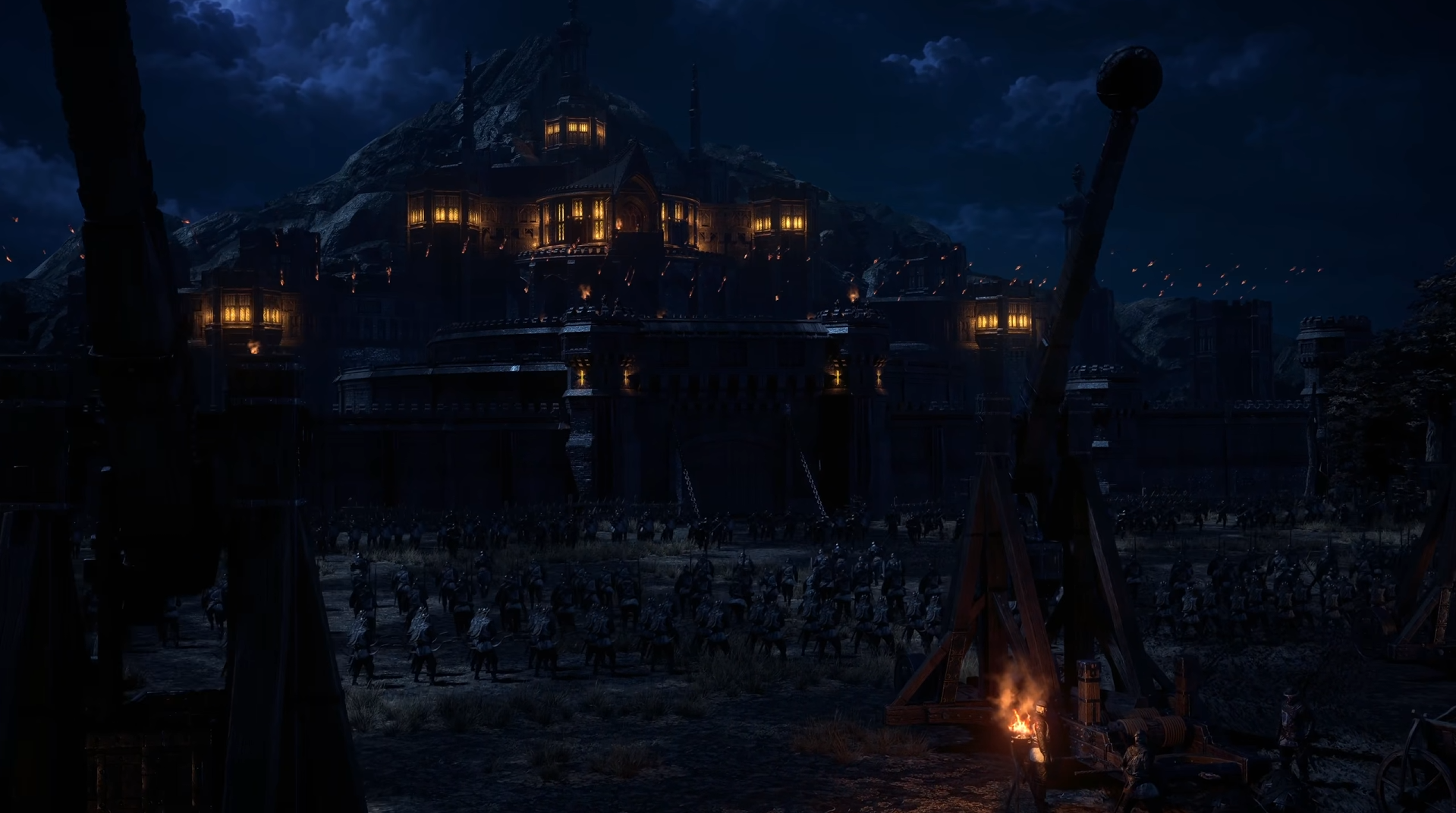
Path of Exile 2 1.0 Release Date and Free-to-Play Launch
Path of Exile 2 version 1.0 launches on Friday, December 11, 2026, for PC, PlayStation 5 and Xbox Series X|S. PC players can access the game through Steam, Epic Games Store or GGG's standalone client. The release date is confirmed, but the studio hasn't announced an exact launch hour yet.
The Early Access purchase requirement disappears with version 1.0. Players who previously needed an access key through a Supporter Pack will be able to download and play the full game for free, including the completed campaign and new challenge league. GGG will continue selling optional microtransactions such as cosmetics, stash tabs and Supporter Packs.
Early Access began on December 6, 2024, with three campaign acts, six character classes and a smaller selection of skills and endgame activities. Subsequent updates expanded the campaign and introduced additional classes, mechanics and endgame systems. Version 1.0 completes the main story and brings the remaining announced base classes into the game.
Everything Coming in Path of Exile 2 1.0
| Content | What's Coming |
|---|---|
| Release date | December 11, 2026 |
| Platforms | PC, PS5 and Xbox Series X|S |
| Price | Free-to-play |
| Campaign | Six complete acts |
| New campaign content | 24 areas, 18 bosses and 20+ Champion Rare encounters |
| New classes | Shadow and Duelist |
| Shadow Ascendancies | Assassin and Infiltrator |
| Duelist Ascendancies | Knight and Master-at-Arms |
| Challenge league | Conquerors of Wraeclast |
| League mechanics | Army recruitment, stronghold construction and territory warfare |
| Endgame | Atlas changes, additional encounters and new high-end content |
| Unique items | 40+ new Uniques and 70+ reworks |
| Character progression | Passive tree, Support Gem and ailment changes |
| Pre-launch promotion | Free cosmetic rewards through registration |
Acts 5 and 6 Finally Finish the PoE 2 Campaign
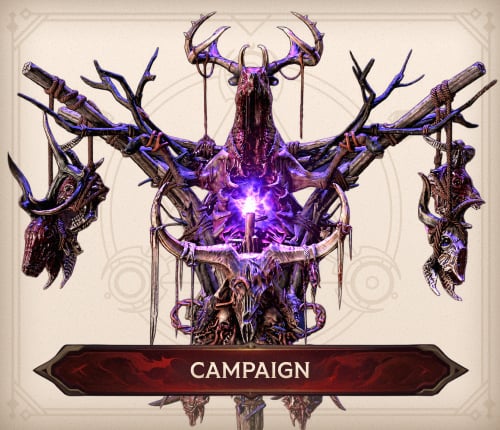
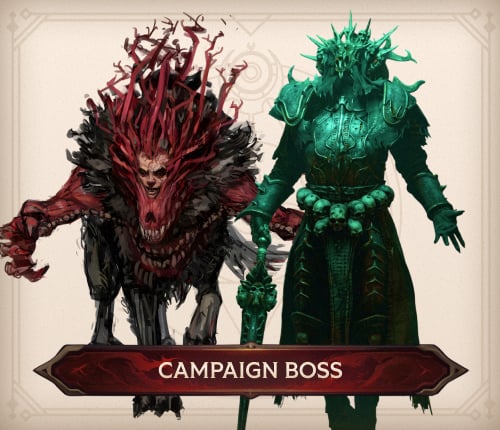
The biggest addition for players interested in the story is the completion of PoE 2's six-act campaign. Acts 5 and 6 introduce 24 new areas, 18 unique bosses and more than 20 Champion Rare encounters, replacing the temporary Interludes that previously filled the gap between the available acts and the endgame.
The Interludes were introduced during Early Access while GGG continued developing the final chapters. They provided additional locations, quests and bosses, but the campaign still lacked its intended conclusion. With version 1.0, new characters will follow the complete storyline before moving into the Atlas. Some content introduced through the Interludes may remain available elsewhere.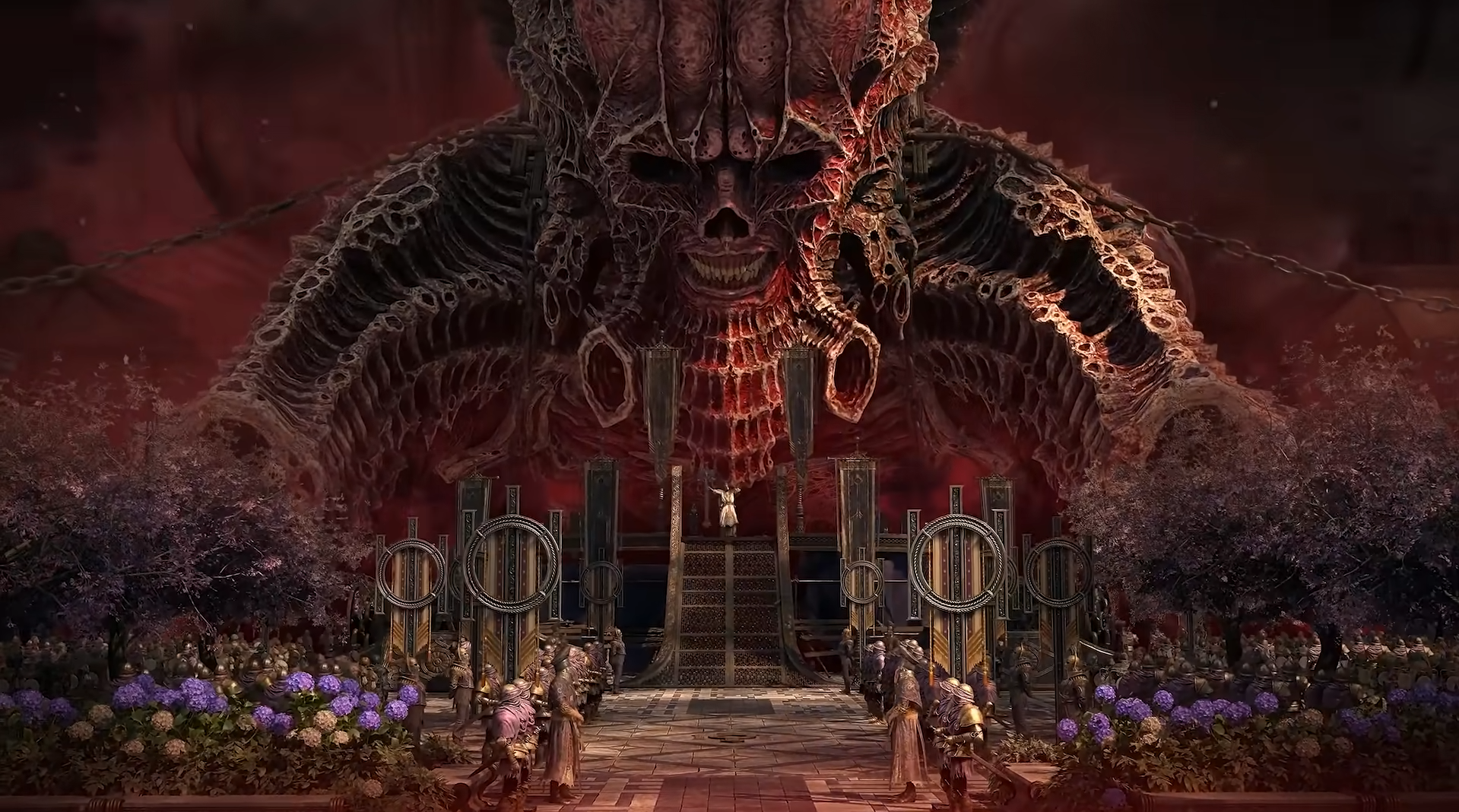
Act 5: Return to Oriath
Act 5 takes players back to Oriath, a familiar location for anyone who played the original Path of Exile. The city has a long history of religious conflict and political violence, and the new chapter deals with the Twilight Order's activities and the continuing threat surrounding the Beast.
GGG's previews show ruined districts, city streets and larger locations including the Grand Arena. The chapter also introduces new enemies and bosses connected to the conflict, with allied forces attempting to break through Oriath's defenses. Longtime players will recognize parts of the setting, although PoE 2 takes place at a different point in Wraeclast's history.
The Grand Arena is particularly appropriate for a release that introduces the Duelist. The class's sword and stance mechanics fit the setting, although players can experience the campaign with any available character class.
Act 6: The Story Reaches Its Conclusion
Act 6 concludes the campaign's central conflict involving the Beast and the Twilight Order. GGG has kept several major story encounters out of its promotional material, including details surrounding the final confrontation.
The completed campaign also changes the route to endgame. Characters created in the new challenge league will progress through all six acts before reaching the Atlas, giving returning players their first opportunity to experience the finished story in its intended order.
GGG has also introduced Champion Rare encounters throughout the new acts. These enemies have more individual mechanics than ordinary rare monsters, with some featuring abilities and encounter patterns closer to small boss fights. There are over 20 of them across the new campaign content.
Shadow and Duelist Join the PoE 2 Class Roster
Path of Exile 2's full release adds Shadow and Duelist, completing two major gaps in the playable class roster. Shadow introduces daggers, traps and stealth-related mechanics, while Duelist focuses on swords and combat stances. Both have new skills and Ascendancy options.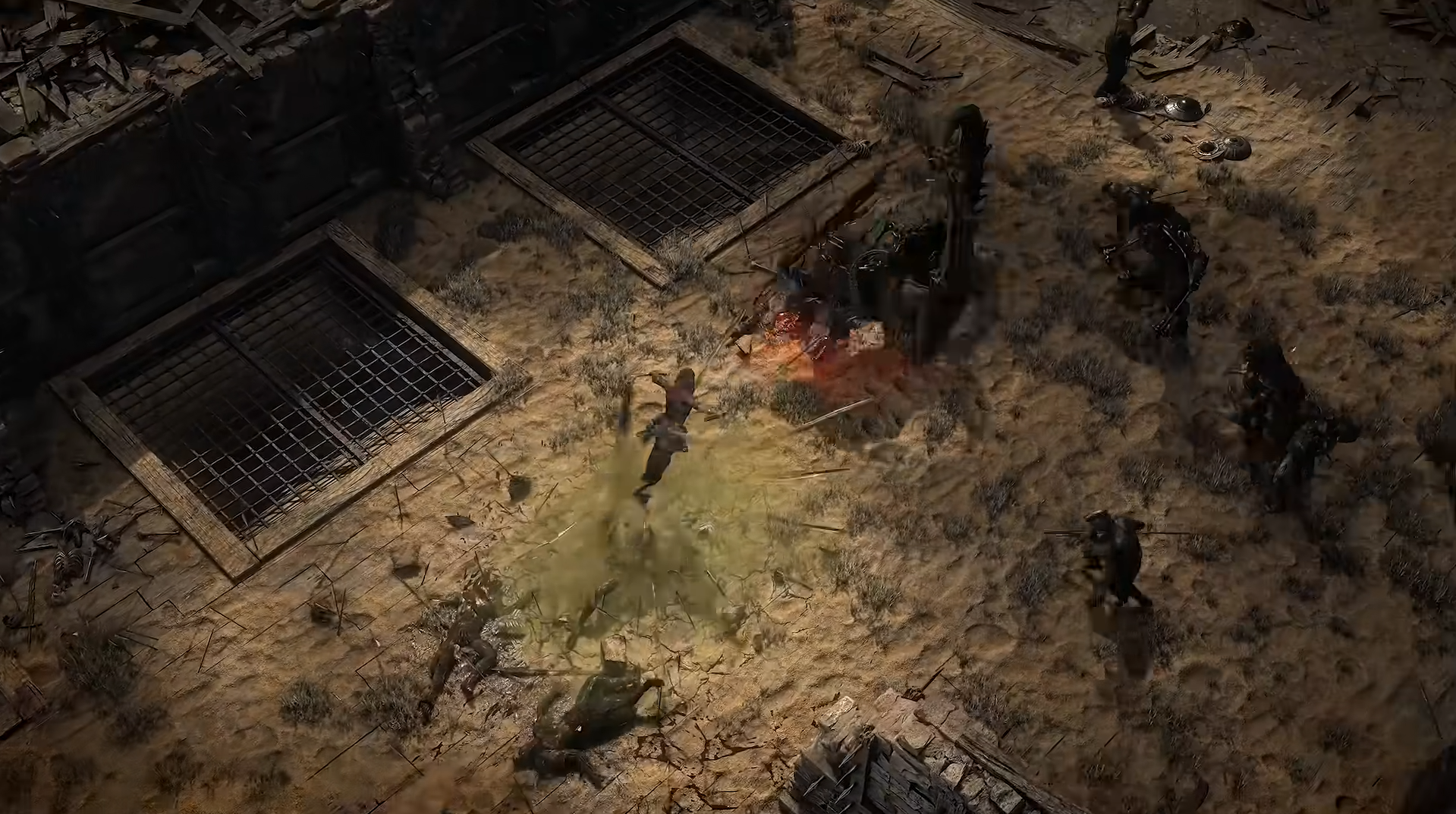
The two classes should appeal to different players. Shadow has tools for positioning, deception and setting up attacks, while Duelist introduces a more technical melee system involving different fighting techniques. Both will also benefit from the broader skill and item changes arriving with 1.0.
Shadow: Daggers, Traps and Shades
The Shadow returns with a combat style built around daggers, stealth and traps. One of its new mechanics involves Shades, shadow copies that can distract enemies and reproduce certain attacks. Players can use these abilities to control enemy positioning and create opportunities for damage.
The class has two announced Ascendancies: Assassin and Infiltrator.
Assassin focuses on precision and damage, making it the obvious starting point for players interested in critical strikes and assassination mechanics. Infiltrator leans further into stealth and deception, building on the Shadow's ability to manipulate encounters through positioning and indirect attacks.
Poison is another important part of the class's identity. GGG is changing ailment mechanics for version 1.0, so returning players who enjoyed poison builds in earlier patches will need to review their skill interactions and damage scaling.
Shadow looks like an interesting option for players who enjoy managing several abilities during combat. Between traps, dagger attacks and Shades, the class offers more ways to approach encounters than simply repeating a single damage skill.

 Preorder
Duelist Build Bundle
PreorderDuelist Cyclone Build
PreorderShadow Build Bundle
Duelist: Swords, Stances and Mounted Combat
The Duelist introduces sword combat and a stance system that lets players change their approach during fights. Different techniques can be used depending on the enemy and the situation, giving melee players more control over how their character attacks and defends.
Its announced Ascendancies are Knight and Master-at-Arms.
Knight has received some of the more unusual mechanics shown during the full-release reveal. Its abilities involve banners, a Squire companion and mounted combat, expanding the familiar heavily armored warrior archetype. The Squire is associated with the Knight's mechanics and isn't a separate Ascendancy.
Master-at-Arms focuses on martial expertise and different combat techniques. GGG has discussed the Ascendancy, although its immediate availability at launch still needs confirmation.
Duelist may be particularly appealing to players who found earlier PoE 2 melee options restrictive. The stance system introduces more decisions during combat, and the Knight's additional mechanics give the class several possibilities beyond conventional sword attacks.
Which New Class Should You Play?
| Preferred Playstyle | Class or Ascendancy |
|---|---|
| Daggers and precision attacks | Shadow |
| Traps and positioning | Shadow |
| Stealth and deception | Infiltrator |
| Critical strike-focused combat | Assassin |
| Swords and stances | Duelist |
| Mounted combat and battlefield support | Knight |
| Multiple martial techniques | Master-at-Arms |
Anyone planning a Shadow or Duelist league starter should check the final skill and Ascendancy details before settling on a build. Several of the systems these classes rely on are receiving balance changes, including critical strikes, ailments and Support Gems.
For a first playthrough, I'd lean toward whichever combat style looks more enjoyable. Shadow has some interesting mechanical possibilities, but Duelist's stance system could make melee combat considerably more engaging if GGG gets the balance right.
Conquerors of Wraeclast: The New PoE 2 Challenge League
The new Conquerors of Wraeclast challenge league introduces a surprisingly large strategy component to Path of Exile 2. Players recruit armies, construct strongholds, choose a faction and participate in battles for control of territory. The system starts during the campaign and expands into the Atlas, where factions compete over castles.
GGG has experimented with management mechanics before, particularly in leagues such as Settlers of Kalguur. Conquerors takes the idea further by giving players military units and commanders to manage alongside their normal character progression.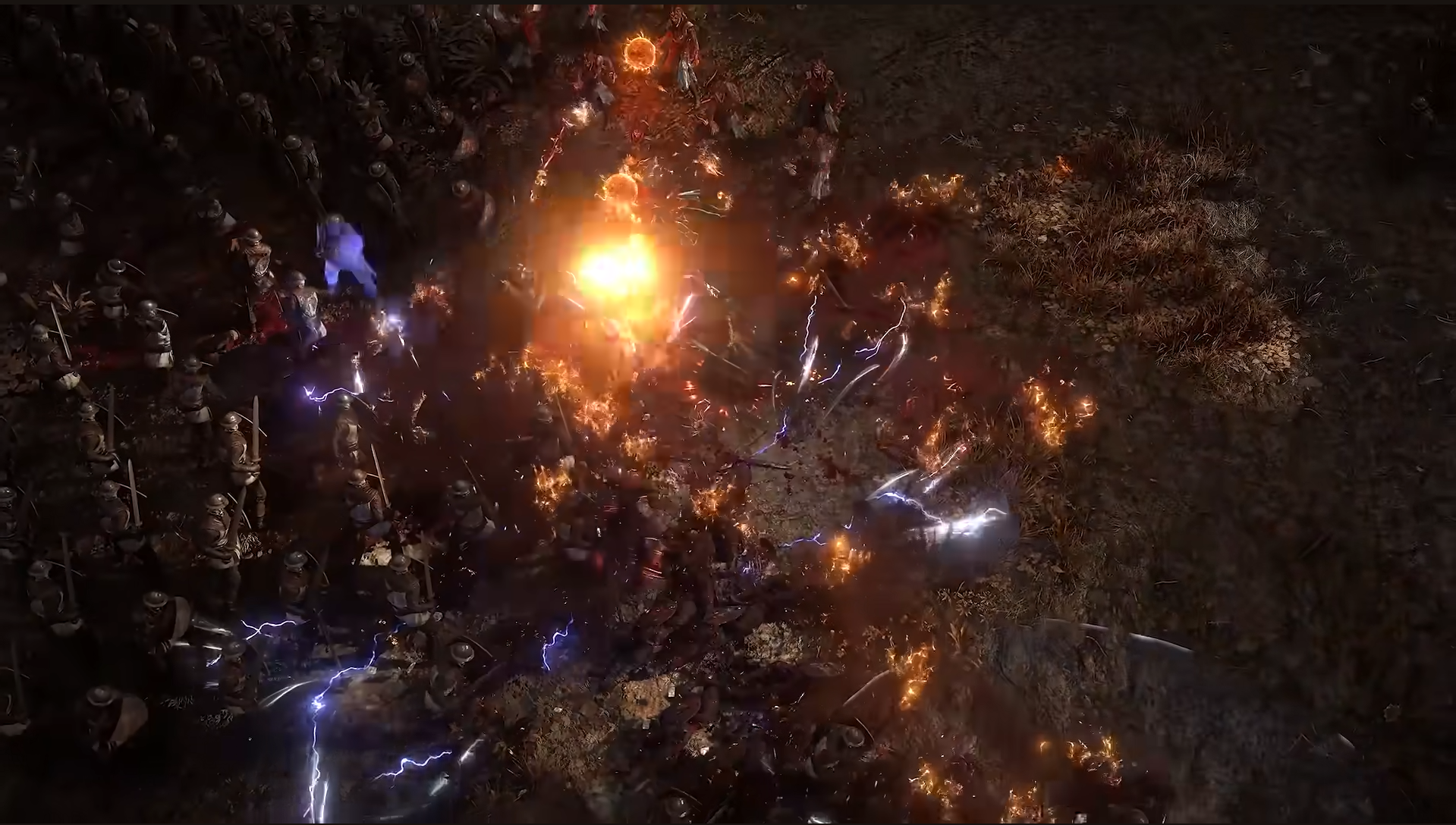
How Conquerors of Wraeclast Works
Players join Varek and his mercenaries during a campaign to conquer territory across Wraeclast. The league also introduces a storyline involving an ancient Blood Lord, with the faction conflict tied to the larger threat.
As players progress, they gain access to soldiers, mercenaries, creatures and buildings that support their faction's military operations. The stronghold develops alongside the character, with new structures and upgrades expanding the available options.
The announced systems include army recruitment, resource management, commanders and attacks against enemy fortifications. Gold is involved in maintaining and developing parts of the operation.
The feature I'm most interested in is how the army system handles progression. Recruiting troops during the campaign is one thing. Keeping an army useful once players are clearing difficult maps and endgame encounters is a much harder balance problem.
Three Factions: Karui, Ezomytes and Maraketh
Conquerors of Wraeclast lets players choose between three factions: Karui, Ezomytes and Maraketh. Each has its own architecture, military appearance and troop options.
The Karui are one of Wraeclast's most recognizable warrior cultures, with a history closely tied to the original game. The Ezomytes and Maraketh bring their own traditions and military styles, giving each faction a distinct identity.
Faction choice affects the stronghold and forces available to the player. GGG has shown different buildings and unit designs, although the full balance of faction-specific advantages will become clearer once players begin testing the system.
It will be interesting to see whether faction choice develops into an important strategic decision or whether most players eventually settle on whichever option produces the best rewards.
Building a Stronghold and Recruiting an Army
Stronghold construction is one of the league's central progression systems. GGG has announced more than 20 buildings and upgrades for each faction, allowing players to develop their settlements and improve their military infrastructure.
Different structures support recruitment, upgrades and the resources needed to maintain an army. As the stronghold expands, players gain access to additional troops and opportunities to participate in the wider conflict.
Recruitable forces include soldiers, mercenaries and powerful creatures. Commanders provide another layer of progression, leading troops during attacks against enemy positions.
The system adds another resource-management problem to an already complicated ARPG. Players will be balancing character equipment, skill progression and crafting alongside their faction's development.
The success of the mechanic will depend heavily on how frequently players need to interact with their strongholds and whether army management remains rewarding after the campaign.

Territory Warfare in the Atlas
The league's faction war expands into the Atlas, with GGG discussing more than 100 castles involved in the shared conflict. Players contribute to their chosen faction's efforts while continuing to clear maps and participate in endgame activities.
Commanders and recruited forces become important to the larger territory system, allowing the conflict to develop beyond individual campaign encounters.
It's an unusual approach for Path of Exile, where most endgame progression revolves around character strength, item acquisition and completing increasingly difficult content. Conquerors adds a shared faction objective with its own rewards and progression.
There are still questions about how much control players will have over battles, how territory ownership changes and how the rewards will be distributed. The announced systems suggest a much more involved league than simply adding another encounter type to maps.
Path of Exile 2 Endgame Changes in Version 1.0
The Atlas is also receiving changes for the full release. GGG has spent much of Early Access adjusting how players enter endgame content, progress through maps and access difficult encounters. Version 1.0 continues that work, with changes intended to make Atlas progression more structured and reduce unnecessary steps between players and the activities they want to farm.
The update expands the endgame storyline and adds new high-end challenges, including another pinnacle-level encounter. Conquerors of Wraeclast will also have an important presence in the Atlas, with its faction warfare and castle system becoming part of regular endgame progression. The details of the new boss encounters and the most efficient farming routes will become clearer after release.
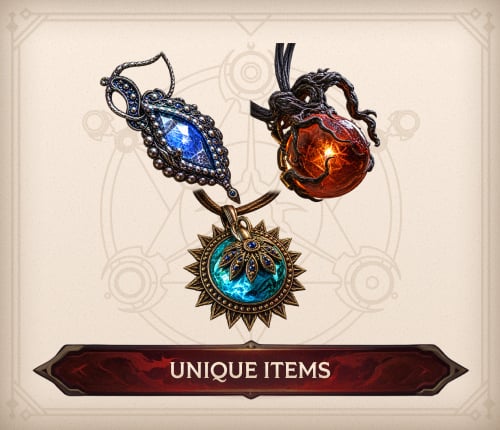
Over 40 New Unique Items and More Than 70 Reworks
Version 1.0 adds more than 40 Unique items and reworks over 70 existing ones, changing a substantial part of PoE 2's equipment pool. Some familiar items are receiving new modifiers, redesigned effects and visual changes, while the additional Uniques introduce mechanics that weren't previously available.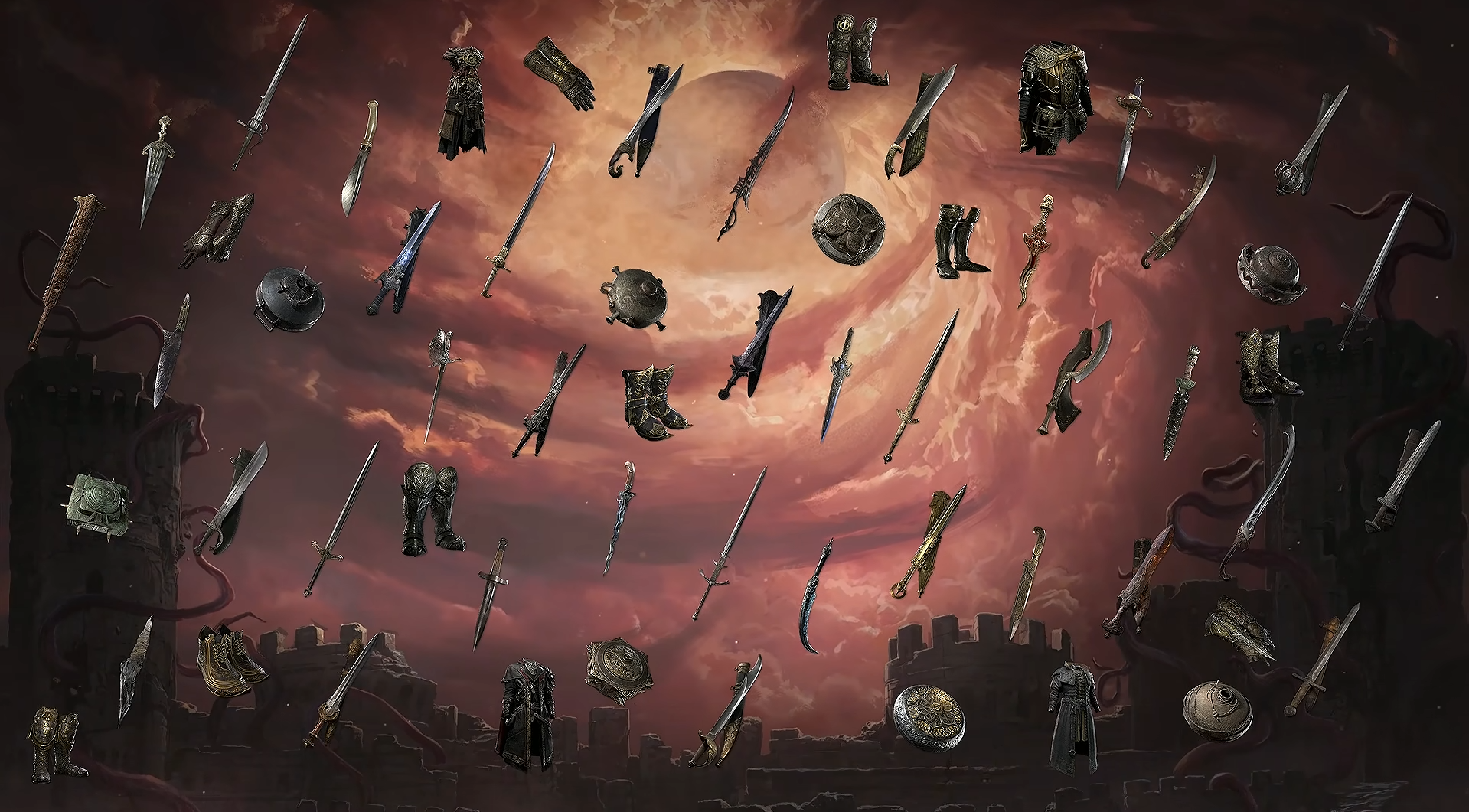
Unique items can have a major influence on character builds because their effects sometimes change how individual skills function. A weapon might enable a different attack interaction, while an armor piece could provide a defensive mechanic that would otherwise be difficult to build around. Changes to these items can affect both build choices and trading values.
The update also adds new equipment bases, including weapons associated with Shadow and Duelist. These expand the available crafting options and give players more combinations of modifiers to pursue.
With so many Uniques changing at once, item recommendations from older guides deserve another look. Some previously popular combinations may lose their appeal, while reworked items could become useful for entirely different builds.
This should also make the opening weeks of the Conquerors economy interesting. Players will be discovering new item interactions while trying to establish prices for gear that hasn't previously existed in the game.
Passive Tree, Critical Strikes and Support Gem Changes
GGG is making extensive changes to character progression in version 1.0, including adjustments to the passive skill tree, Support Gems and ailment mechanics. These changes will affect existing classes as well as Shadow and Duelist.
One of the biggest announced adjustments concerns critical strike chance, which developer discussions indicate is being removed from the passive tree and shifted primarily toward equipment. That changes how crit-focused characters approach their builds, particularly those that previously invested heavily in passive nodes to reach reliable critical strike rates.
Weapons and other gear will become more important for builds relying on critical hits. The change could have a significant effect on Assassin builds and other characters that depend on critical strikes for damage or related effects.
Support Gems are receiving another balance pass, with adjustments to their effects and numerical bonuses. Since these gems influence how skills behave, changes to a few important supports can affect an entire build. Players using older setups may need to reconsider which gems they pair with their main abilities.
Poison and other ailments are also being reworked. GGG has discussed changes to how certain effects are applied and scaled, affecting builds that rely on stacking damage over time or interacting with specific ailment mechanics.
The full numerical details are important here. Until the 1.0 patch notes are available, existing damage calculations and passive tree paths shouldn't be treated as reliable for the new league.
What Happens to Early Access Characters in PoE 2 1.0?
Existing Early Access characters will be preserved, along with their equipment and currency. They will remain separate from the new challenge league, which begins with a fresh economy.
Anyone joining Conquerors of Wraeclast will need to create a new character and progress through the game again. Existing characters won't be able to transfer their accumulated currency or equipment into that league.
This follows the challenge league structure familiar to players of the original Path of Exile, where new leagues create a separate economy and give everyone a fresh starting point.
| Content | What Happens at Release |
|---|---|
| Early Access characters | Preserved separately |
| Existing equipment and currency | Remain with those characters |
| Conquerors of Wraeclast characters | Start fresh |
| New league economy | Separate from Early Access |
| Purchased stash tabs | Remain associated with your account |
| Purchased cosmetics | Remain associated with your account, subject to compatibility |
| Microtransaction points | Remain available on your account |
Players can continue using Early Access characters in their existing environment. For anyone planning to participate in the new league, the important preparation is learning the systems that will still matter after the update rather than accumulating currency that can't be transferred.
How to Prepare for Path of Exile 2's Full Release
There are a few useful things to do before December 11, especially if you're planning to start the new league immediately. The biggest changes involve character builds, item progression and the new league mechanics, so preparation mostly comes down to understanding those systems and keeping an eye on the final announcements.
Register for Free Launch Cosmetics
GGG has announced a pre-launch registration promotion offering free cosmetic rewards. Players can register through the official Path of Exile 2 registration page, with additional rewards tied to community milestones.
Existing Early Access players can participate too. The cosmetics are expected to be distributed after the full release begins, so anyone interested in collecting them should register before December 11.
Choose a Class and Review Your Build
Shadow and Duelist will attract a lot of attention at launch, but existing classes remain valid options. Players comfortable with their current class may prefer to use something familiar while learning the completed campaign and Conquerors mechanics.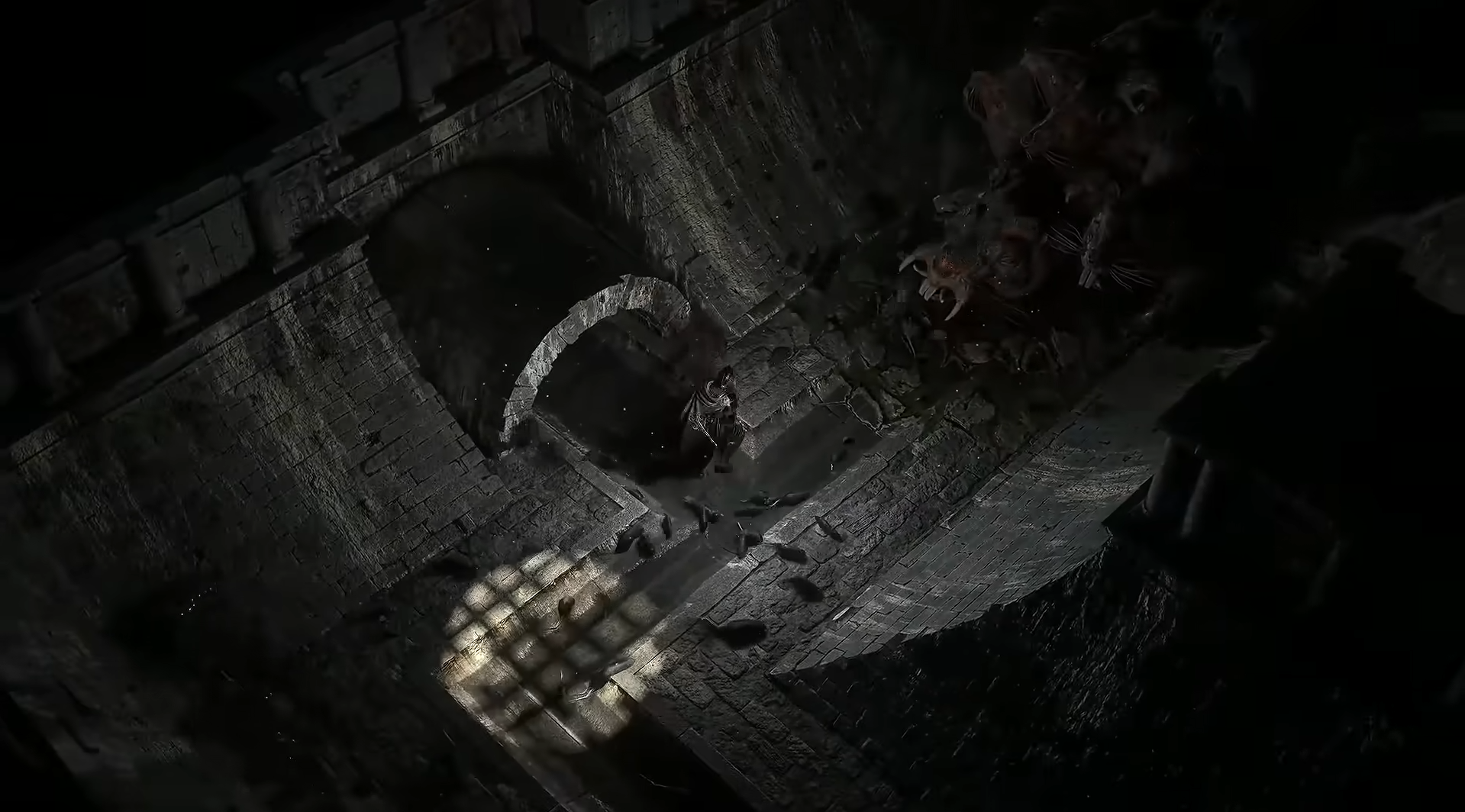
The more important decision is which build to follow. With changes to critical strikes, ailments, Support Gems and dozens of Uniques, older guides may contain outdated recommendations. Check the final 1.0 balance information before committing to a passive tree or purchasing expensive equipment for a specific setup.
Learn the Basic Crafting and Currency Systems
New players should familiarize themselves with PoE 2's currency system before reaching the endgame. Many currency items are used directly for crafting, so understanding their functions can prevent expensive mistakes.
Exalted Orbs, Divine Orbs and other crafting currencies have different applications, and their trading values depend on the league economy. Learning what these items do is useful long before a character starts farming high-end maps.
There's no need to memorize every crafting interaction. Understanding the main currencies, item modifiers and upgrade systems will make the early campaign and Atlas progression easier to manage.
Keep an Eye on the Final Patch Notes
GGG's final patch notes will be particularly important for returning players. They should clarify the complete passive tree adjustments, numerical skill changes, ailment mechanics and the status of any Ascendancies that haven't been fully detailed.
The new item pool also means early build recommendations may change as players discover interactions between skills, Support Gems and reworked Uniques.
For the first few days, I'd be cautious about spending valuable currency on expensive build-defining items unless the underlying mechanics have already been tested.
Getting Started With KingBoost in PoE 2
The full release gives everyone a fresh start, although some players will be more interested in reaching the new content than repeating familiar progression. KingBoost offers Path of Exile 2 boosting services covering character leveling, campaign progression, Ascendancy trials, builds and endgame activities.
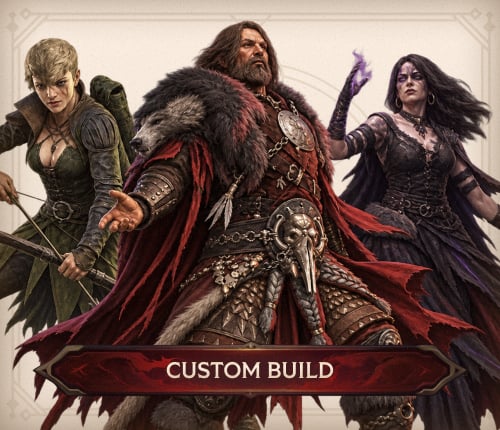
Players interested in progressing through the story can check PoE 2 Campaign Completion, while PoE 2 Power Leveling focuses on character levels. For equipment and character development, KingBoost also offers PoE 2 Currency and Custom Build services.
Some existing products were designed around Early Access progression, so their available options will need to reflect the completed campaign and Conquerors of Wraeclast after launch. Players should check the relevant service details before ordering.
Final Thoughts
The part of version 1.0 I'm most curious about is Conquerors of Wraeclast. The campaign and new classes are substantial additions, but the army and stronghold systems could change what players spend their time doing between maps. GGG has already shown how recruitment and construction work during progression. The bigger test will be whether managing those systems remains interesting once players reach difficult endgame content.
December 11 will also be the first chance to see how the revised passive tree, new Uniques and completed campaign work together. With a fresh league economy and two new classes arriving at the same time, there are going to be plenty of builds to figure out.

 Home button in top-left corner of discord.
 at the side bar.
 button in top middle corner of Discord.